Botanical Overview
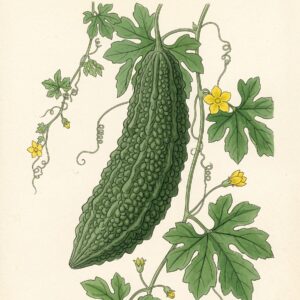
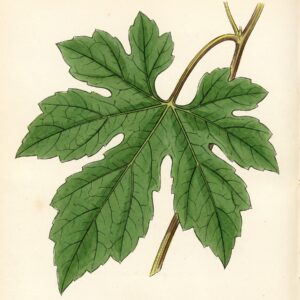
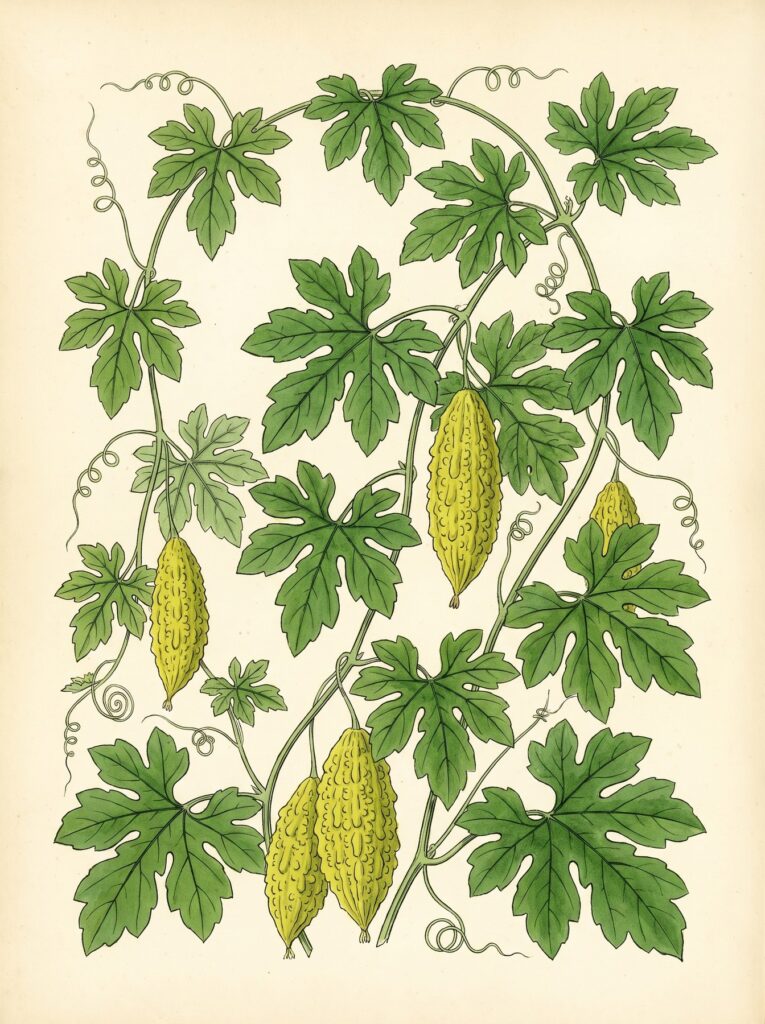
Momordica charantia (family Cucurbitaceae), commonly known as Bitter melon, Bitter gourd, Karela, and Balsam pear, is a tropical vine widely cultivated in Asia, Africa, Caribbean, and South America. The fruit, leaf, and seed are traditionally used medicinally.
Energetics
Bitter melon is considered cooling and drying in nature, possessing a distinctly bitter taste. It is tonifying to the qi and has a primarily cooling temperature energetics, with a drying moisture effect. Directionality is not clearly specified in traditional systems.
Primary Actions
- Antidiabetic
- Antiviral
- Digestive stimulant
- Hypoglycemic
- Anti-inflammatory
Indications
Western
- Hyperglycemia
- Digestive upset
- Viral infections
- Inflammation
Syndromes
- Type 2 diabetes mellitus
- Dyspepsia
- Viral hepatitis
- Immune deficiency
TCM
- Heat toxicity
- Constipation
- Damp-heat
Syndromes
- Heat accumulation syndrome
- Damp-heat in liver and stomach
Ayurveda
- High blood sugar
- Skin eruptions
- Constipation
Syndromes
- Pakshaghat (hemiplegia)
- Madhumeha (diabetes mellitus)
Unani
- Diabetes symptoms
- Fever
- Liver disorders
Syndromes
- Hummat (inflammation)
- Zusar (skin disorders)
- Sukrah (blood disorders)
Constituents & Mechanisms
Momordica charantia contains significant phytochemicals including charantin, momordicosides, vicine, polypeptide-p, alkaloids, steroids, flavonoids, and triterpenes, which contribute to its hypoglycemic, antiviral, and anti-inflammatory effects.
Dosage & Preparations
- Infusion: 5-10 g dried fruit 2-3 times daily
- Tincture: 1:5 50% ethanol, 5-10 mL 1-3 times daily
- Powder: 3-6 g daily
- Juice: fresh leaf or fruit juice 15-30 mL daily
Safety & Contraindications
Use cautiously in pregnancy due to potential uterine stimulant effects. May increase risk of hypoglycemia when combined with antidiabetic drugs. Large doses may cause gastrointestinal discomfort. Seeds may be toxic at high quantities. Use with caution during lactation.
Astrological Correspondences
No clearly established planetary or elemental rulership documented for Momordica charantia.
Selected References
- European Medicines Agency (EMA) Herbal Monograph on Momordica charantia L., fructus (2016)
- Plants For A Future (PFAF) Database: Momordica charantia
- Joseph F. Abraham et al., PubMed Central, 2015
- World Health Organization (WHO) Monographs on Selected Medicinal Plants, 1999