Botanical Overview
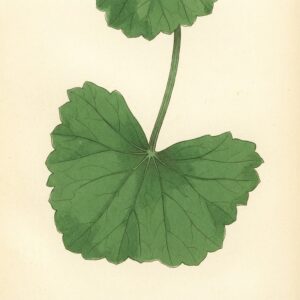
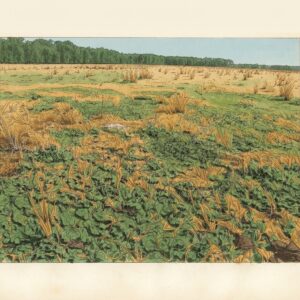
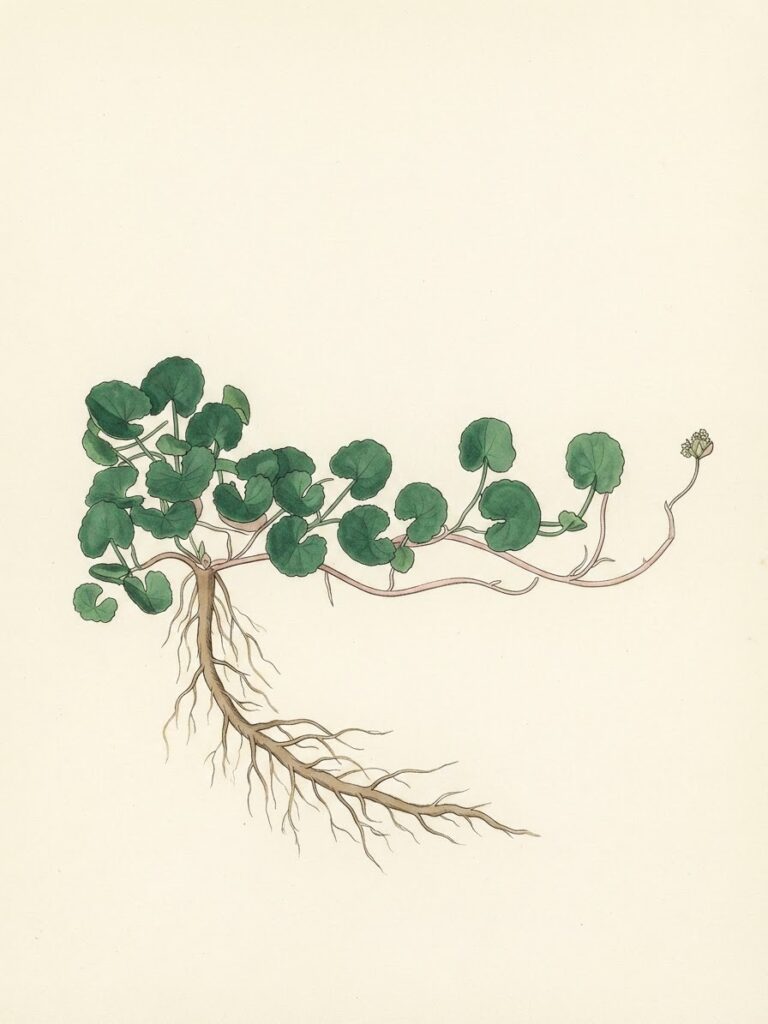
Centella asiatica (family Apiaceae) is a creeping perennial herb widely known as gotu kola or Indian pennywort. The medicinal parts commonly used are the leaves and roots. Native to Asia but also found in Africa and Australia, this plant has a long history of traditional use.
Energetics
Centella asiatica is considered cooling and moistening energetically, with bitter and astringent tastes. Its medicinal actions are centering and descending in directionality, with tonifying effects on the qi and blood.
Primary Actions
- Vulnerary
- Anti-inflammatory
- Nootropic
- Circulatory tonic
- Adaptogen
Indications
Western
- Chronic venous insufficiency symptoms
- Minor wounds and burns
- Cognitive decline
- Venous leg ulcers
- Anxiety
Syndromes
- Poor circulation
- Venous hypertension
- Skin lesions
- Memory impairment
TCM
- Fatigue
- Skin eruptions
- Varicose veins
- Cognitive issues
Syndromes
- Qi and Blood stagnation
- Liver Blood deficiency
- Skin damp heat
Ayurveda
- Wounds
- Skin disorders
- Mental fatigue
- Anxiety
Syndromes
- Vata imbalance
- Pitta disorders
- Rasa dhatu depletion
Unani
- Ulceration
- Venous insufficiency
- Memory weakness
Syndromes
- Imbalanced humors
- Muscle weakness
- Brain tonic deficiency
Constituents & Mechanisms
The primary phytochemicals include triterpenoid saponins such as asiaticoside and madecassoside, flavonoids, volatile oils, phenolic compounds, and other saponins, which contribute to wound healing, anti-inflammatory, antioxidant, and neuroprotective effects.
Dosage & Preparations
- Infusion: 1-2 g dried leaf 2-3 times daily
- Fluid extract (1:1, 25% ethanol): 2-4 mL 2-3 times daily
- Tincture (1:5, 30-40%): 2-5 mL 2-3 times daily
- Topical ointment or cream with 1-2% asiaticoside used 1-3 times daily
Safety & Contraindications
Generally considered safe in recommended doses. Avoid use in pregnancy and lactation due to insufficient safety data. Possible side effects include gastrointestinal discomfort, headache, dizziness. Caution advised in patients with liver or kidney disease. Potential additive effects with sedatives, and interactions with drugs metabolized by the liver warrant monitoring.
Astrological Correspondences
No well-established planetary or elemental rulers identified based on current authoritative sources.
Selected References
- Herbal Medicine: Biomolecular and Clinical Aspects, Frawley & Ladner, 2011
- WHO Monographs on Selected Medicinal Plants, Volume 1, WHO, 1999
- Pharmacognosy Review: Centella asiatica – neuroprotective potential, Gohil et al., 2010
- Phytochemistry and therapeutic actions of Centella asiatica, Kumar et al., 2018