Botanical Overview
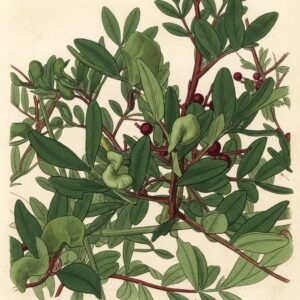
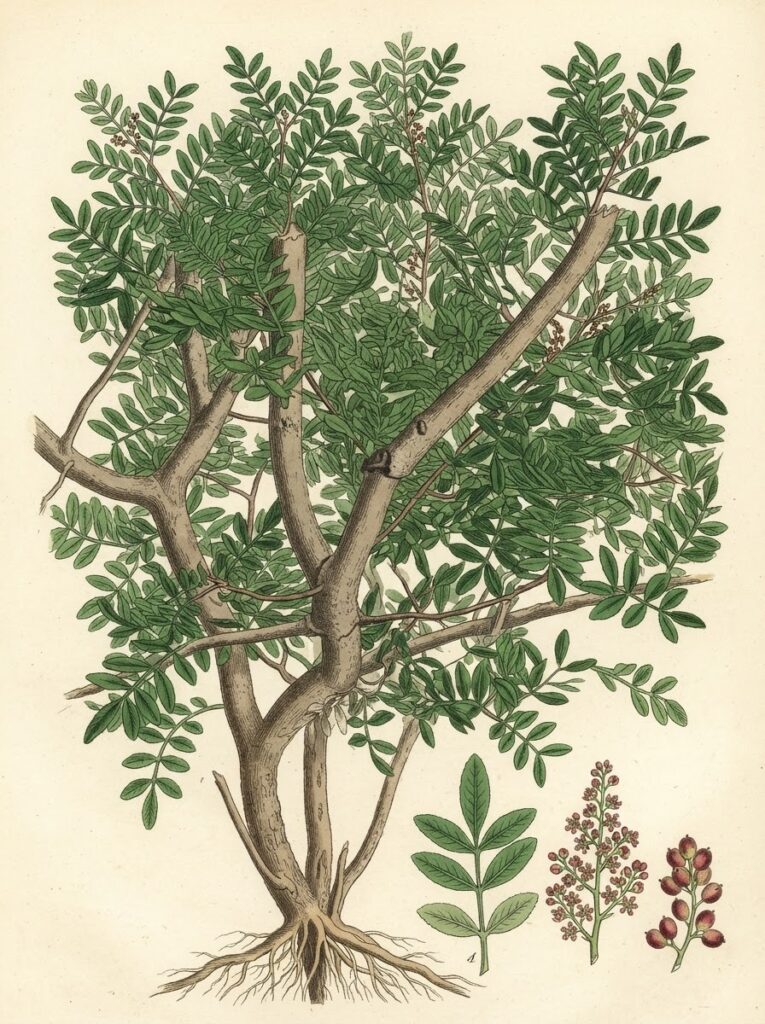
Pistacia lentiscus, commonly known as Mastic, Mastic tree, or Lentisk, is a member of the Anacardiaceae family. Native to Mediterranean regions, North Africa, and the Middle East, this evergreen shrub or small tree yields a fragrant resin traditionally harvested for medicinal and culinary use. The primary parts utilized are the resin, leaves, and bark.
Energetics
The herb has a warming temperature and drying moisture profile, with tastes described as bitter, pungent, and sweet. It is considered tonifying in action, supporting body systems without causing relaxation or tension. Directionality and specific qi/blood/fluid energetics are not well characterized in traditional sources.
Primary Actions
- Anti-inflammatory
- Antimicrobial
- Astringent
- Expectorant
- Antioxidant
Indications
Western
- Gastrointestinal discomfort
- Oral mucosa inflammation
- Upper respiratory tract congestion
- Skin irritations
- Helicobacter pylori infection
Syndromes
- Dyspepsia
- Chronic gastritis
- Bronchitis
- Wound healing
TCM
No significant traditional Chinese medicine indications documented.
Ayurveda
- Indigestion
- Cough
- Skin disorders
Syndromes
- Kaphaja disorders
- Pittaja disorders
Unani
- Digestive issues
- Respiratory complaints
- Oral diseases
Syndromes
- Safra imbalance
- Balgham imbalance
Constituents & Mechanisms
Pistacia lentiscus contains essential oils rich in monoterpenes and sesquiterpenes, triterpenes, flavonoids, phenolic compounds, and resins that contribute to its anti-inflammatory, antimicrobial, and antioxidant properties.
Dosage & Preparations
- Resin chewing gum or mastic resin pieces
- Infusion of leaves: 2–4 grams 1–3 times daily
- Essential oil: used topically in diluted form
- Extracts standardized for triterpenes and essential oils
Safety & Contraindications
The plant is generally safe with traditional use. Contraindications include allergy to the Anacardiaceae family and caution during pregnancy due to limited safety data. No significant toxicity or drug interactions have been well documented; potential additive effects with anticoagulants are theoretical.
Astrological Correspondences
No reliably sourced planetary or elemental rulers found for Pistacia lentiscus.
Selected References
- Phytotherapy: A Quick Reference to Herbal Medicine – Brigitte Klement, 2003
- Herbal Medicine, 4th Edition – E. M. Williamson, 2003
- Plant Resources of Tropical Africa (PROTA)
- Phytochemistry and Pharmacological Activities of Pistacia lentiscus – Rahimi R et al., 2018
- The Ayurvedic Pharmacopoeia of India, 2001